
National Library Week
Second Week of April

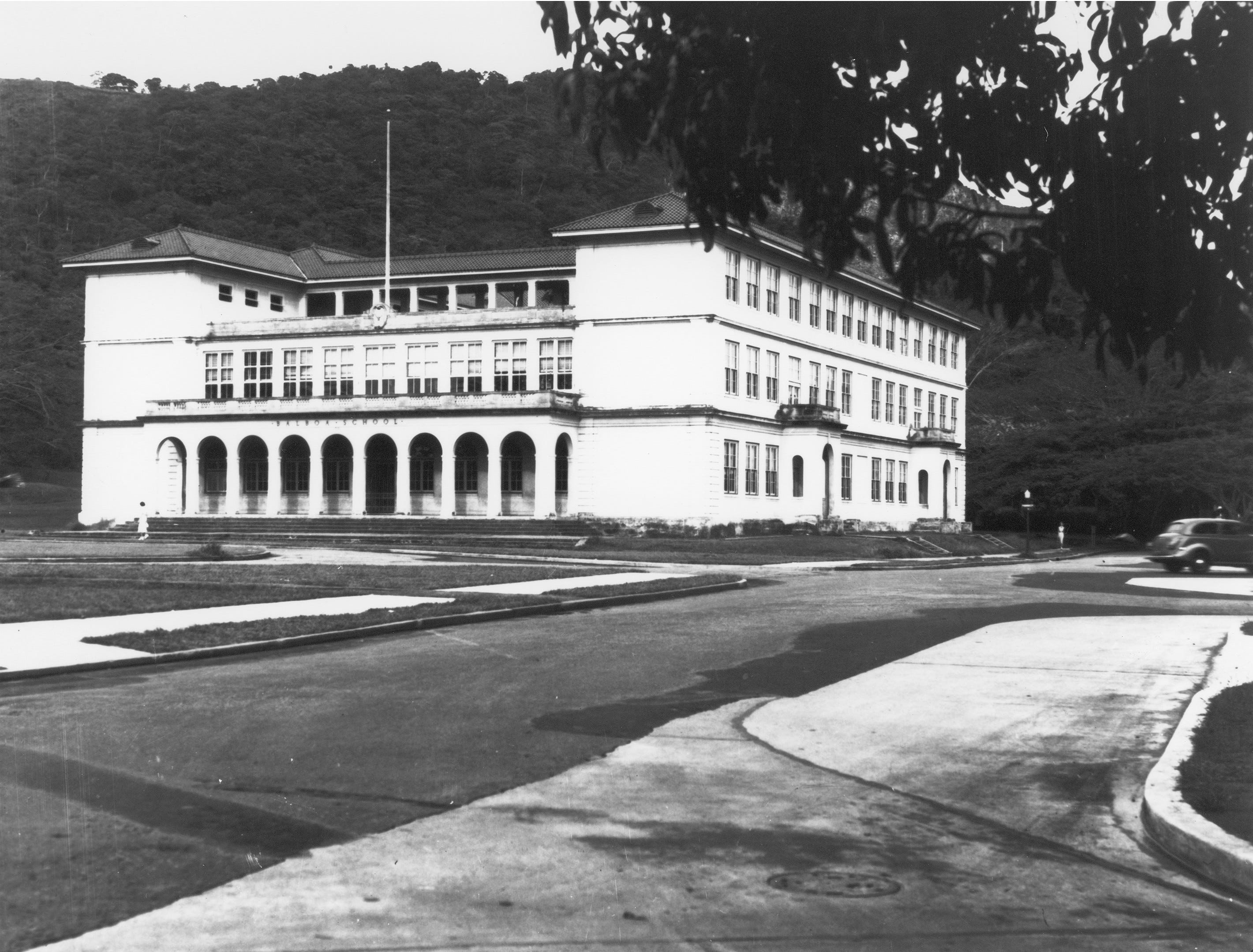
Balboa Elementary School, Panama Canal Zone, ca. 1950.
Happy Library Week! My regard for libraries is a generational family value. Both my grandmothers were elementary school teachers, teaching children how to read. My mother continued to read even when her eyesight was failing, by using the largest font on her kindle.1 My father knew where the library was wherever he lived - and he lived in many places.2 They are quiet places of learning, gathering and exchanging with both the living and dead. Libraries also offer research services that many don’t know about.
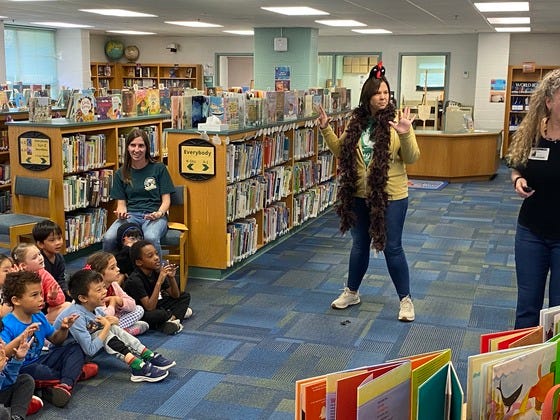
Oak View Review, 8 November 2024, Oak View Elementary School, Fairfax, Virginia, https://content.govdelivery.com/accounts/VAEDUFCPS/bulletins/3c033f2, (still the same place, different bookshelves, carpet and people, but almost 50 years later).
I remember fondly the library in Balboa, Panama, even as a six-year-old. The Oak View Elementary School Library in Fairfax, Virginia had new books, especially a series of biographies about famous Americans that kept me quiet (usually) as a newcomer in sixth grade. The small library at Seafront, the American Embassy Compound in Manila, Philippines had enough books that for three years in Middle School, I could get new or old books, every week and read about science, fiction, history and the contemporary world. I made a rookie mistake once when assigned in Seventh Grade to research the country of Laos. I used the old encyclopedia at Seafront and wrote all about the Kingdom of Laos, even drawing by hand the royal flag. The encyclopedia entry on Laos had a deep red flag with three elephants standing on a triangular pedestal underneath another triangular pedestal. I did this assignment in 1978. Three years earlier in 1975, the Pathet Lao (officially known as the Lao People’s Liberation Army) had overthrown King Savang Vatthana and established the Lao People’s Democratic Republic. I failed that seventh-grade assignment. I learned that encyclopedia information can expire. I also learned that change could happen quickly. We had better keep reading.
At the Library of the American School of Madrid, I found three years of reading. I noticed a collection of great works of literature, taking up a section of shelves near the librarian’s desk. I set a goal to read those. I read through Machiavelli’s The Prince, Homer’s Iliad, Plato’s Republic, and The Federalist Papers. I worked my way through college as a student employee at the History Reference Desk at the Harold B. Lee Library at Brigham Young University in Provo, Utah. At a friend’s party, I met a fantastic girl and much to my surprise a few days later, I met her again when she sat down at the table where I always did my homework. It was among the stacks of History books, nearest to the DP Call number (the History of Spain) books. While studying together, she asked me if I knew the definition of a word. I did not. I knew where the dictionary was. This was before cell phones and the Internet. We got up together and looked up the word. Neither of us remember the specific word. She tells me that the mere effort of looking it up, while acknowledging our ignorance, impressed her. We are married now.
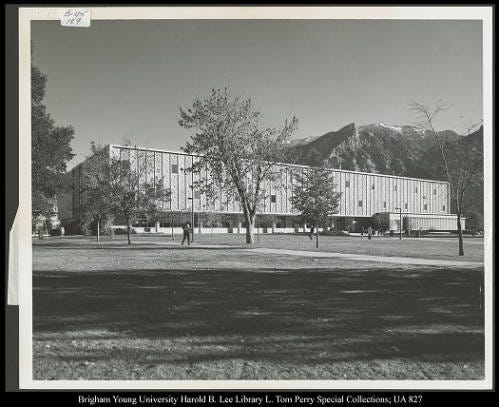
Special Collections, Harold B. Lee Library, Brigham Young University, Provo, Utah.
Most people know that they can find reference sources in a library. Many other services are less well known. The easiest and most delightful service at a library will be the people who work there. In a 2016 study by a university librarian and a professor of psychology, they found that librarians had higher than average personality traits like “apprehensive, cautious, flexible, focused, imaginative, open-minded, respectful, self-reliant, serious, tender-minded, and trusting.”3 Ask for help from the librarians. Libraries have also become places of social interaction (more than me running into that beauty). The Human Library (Menneskebiblioteket) began in Denmark. Instead of books, the Human Library allows “borrowing” of people. The organization declares the goal of “creating a special dialogue room, where taboo topics can be discussed openly and without condemnation. A place where people who would otherwise never talk find room for conversation.”4 Individuals volunteer as if they were books titles, like “Olympic Athlete,” “Fat Woman,” or “Questioning Christian” and library patrons sit down to talk with the “books,” sharing stories together. The Human Library has a Facebook page where nearby events with “books,” conversation, and learning await.
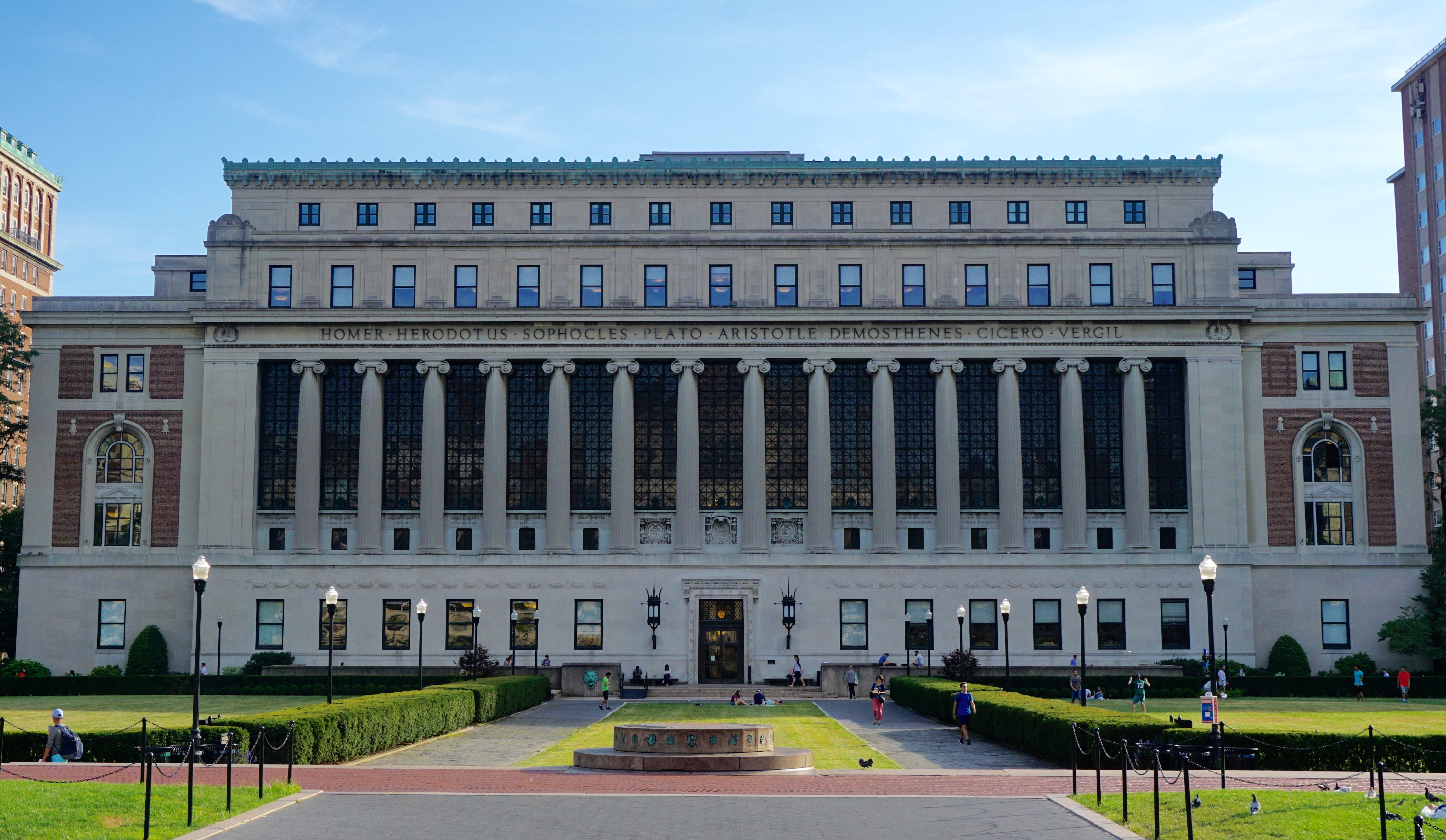
Butler Library, Columbia University, New York City, 6 September 2015, Wikimedia Commons.
Where I work, the BYU-Hawaii Library home page has drop-down menus that include: Research Guides, Databases A-Z, Interlibrary Loan, Reserve a Study Room, Recommend a Book, University Archives, Makerspace, and Government Documents.5 The current web-page for the Columbia University Libraries has a drop-down menu with 71 “Services and Tools.” Just a sample include: 3D Printing, Inter-Library Loan, Laptop Chargers Loan Program, Subject Specialists, and Workshops.6 The Hamilton Library at the University of Hawaiʻi at Mānoa also has a Services drop-down menu.7 That virtual menu connects to eight links like Course Reserves, Study Spaces and Suggest a Purchase. The Hamilton Library webpage has a separate link for ILL (Inter-Library Loan). The Hawaii State Public Library System (HSPLS) also has a link to “How do I . . .” which includes an explanation about “Borrow items from a non-HSPLS library.”8
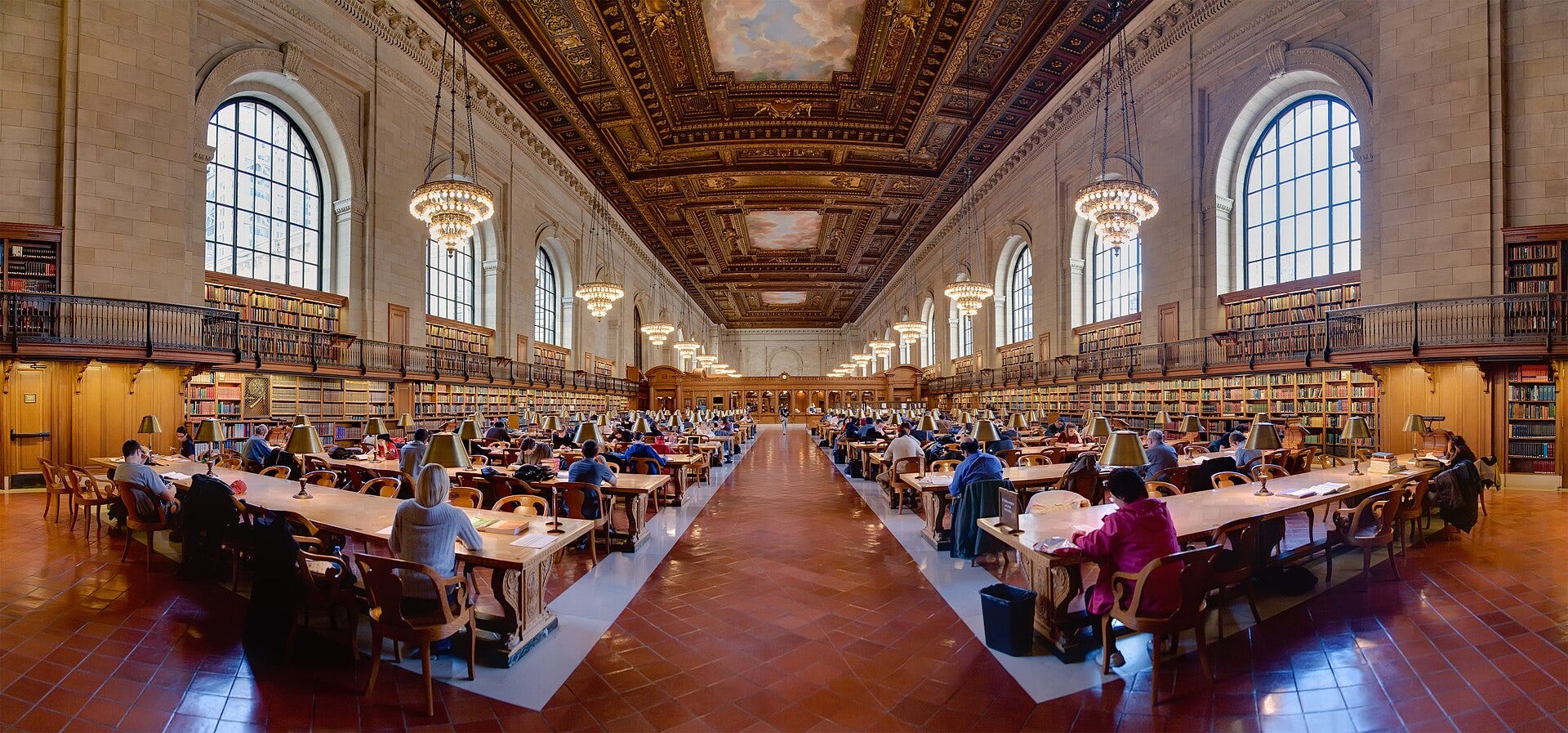
Main Reading Room, New York Public Library, January 2006, Wikipedia.
Be it free or for a fee, libraries will have an Inter-Library Loan office. If the library does not have the material, the librarians will know of ways to obtain it. Historians will often thank the librarians and archivists in a book’s acknowledgements. You too can do the same. Diligently search for the books, articles, sometimes even documents, in your closest library, but don’t give up when you cannot find it. Ask the librarians for help and they will possibly turn to loaning from another library. University libraries are especially helpful with loaning materials from one library to another.
The American Library Association chose “Drawn to Library” as its theme for the 2026 annual library week. Please, go to your local library, check out its services and even read a book. My parents read avidly. They talked about what they were reading. When I was a bit older, my father turned to me after finishing a book and urged me to read it also. I did. The same thing happened with newspapers and magazines. We received weekly issues of Time magazine, The U.S. News and World Report and The Economist. Current and back issues of National Geographic spilled off the coffee table in the family room. Readers aren’t born. We become readers from adult examples and personal interest in learning and curiosity. There are even plenty of books to help each of us prepare, model and encourage others.
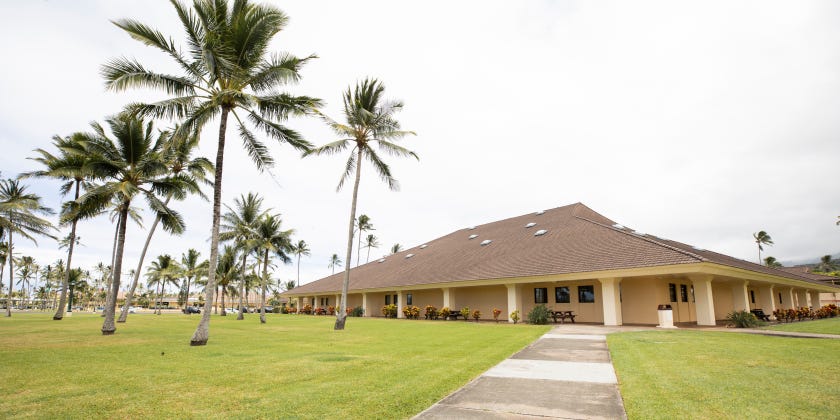
Joseph F. Smith Library, Brigham Young University - Hawaii, Laie.
Jeanine M. Williamson & John W. Lounsbury. “Distinctive 16 PF Personality Traits of Librarians” Journal of Library Administration volume 56, issue 2 (2016) 124-143.
https://www.librarieshawaii.org/how-do-i/use-the-library/borrow-items-from-a-non-hspls-library/. Unlike university libraries, patrons at public libraries often must pay an additional fee for using the borrowing service from outside the local public library. At Hawaii State Public Libraries, the initial cost is $10, plus fees that the other library requests.
I had never heard the story about you and B in the library. <3 Great post!
Wow, you’ve been around!