
Max Stanton

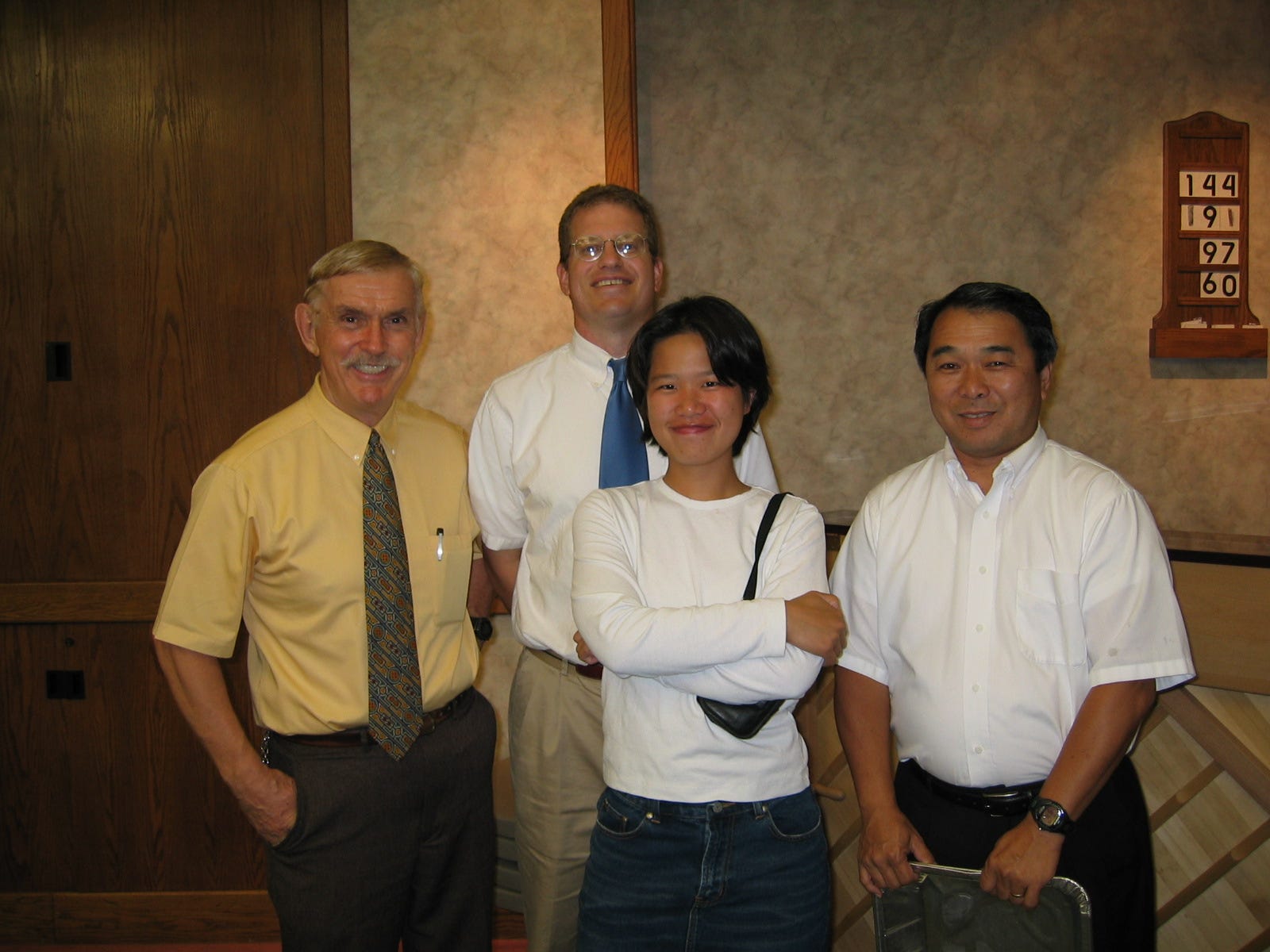
Max Stanton, Jim Tueller, Jenny Wongwiraphab, Carl Yamagata – 2003.
My job at BYU-Hawaii brings me in contact with many interesting and good people. I’ve pretty much been associated with university campuses since I went to college in 1984. University employees, students and fellow faculty are good friends. Max Stanton, emeritus professor of Anthropology at BYU-Hawaii, became a close colleague and friend when I moved to Laie in 1997. My office was room 165 of the Social Sciences Building. Max’s office was right next to mine. His office overflowed with books, files, cultural artifacts, and great humor.
Anthropologists rival historians in the number of books we read and consult. In our early conversations, Max and I talked about the differences and similarities between the two fields. We both enjoyed the scholarship of Greg Dening (1931 – 2008). I had read Dening’s books, Islands and Beaches: Discourse on a Silent Land, Marquesas, 1774–1880 and Mr Bligh’s Bad Language: Passion, Power and Theater on The Bounty. Max had a copy of Dening’s book, The Death of William Gooch: A History’s Anthropology which he generously let me borrow. Since Gooch died in 1792 at Waimea Bay, just twelve miles away from Laie on the North Shore of Oahu, I enjoyed the book for its local and Hawaiian history, but even more so because of Dening’s ethnographic and anthropological approach – after all, the subtitle is “a history’s anthropology.”
Max retired from BYUH in 2006. He had been a student at Church College of Hawaii (the precursor to BYUH), and a professor since 1971. He and his wife, Marge, raised their children in Laie. He wrote about Pacific Islanders and Hutterites. He danced at the Polynesian Cultural Center. His Maori haka is impressive. His Maori name, Taniwha, meant rascal, with some insight into his playfulness and sense of fun. After his retirement, he published his research and deep association with the Hutterite communities of North America.
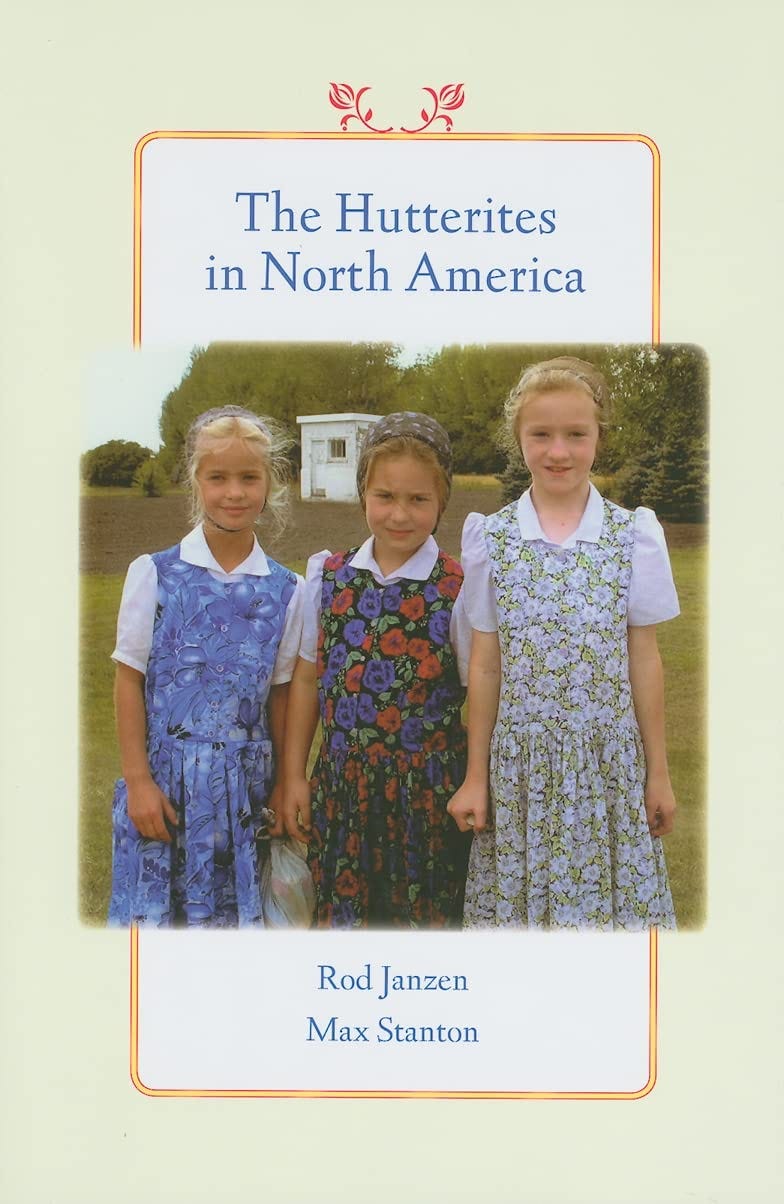
Johns Hopkins University Press, 2010.
I’ve visited Max in Portland, Oregon twice – in the summer of 2017 with Beth and children and then while at a history conference in 2018. He showed me around the city. He also insisted that I adopt some of his books. His copy of the atlas of German Reformation Churches sits on my desk. His interest in the Hutterites, the Anabaptist movement, plus a mission to Germany for the Church of Jesus Christ of Latter-day Saints in the 1960s overlapped with my interest in early modern Europe.
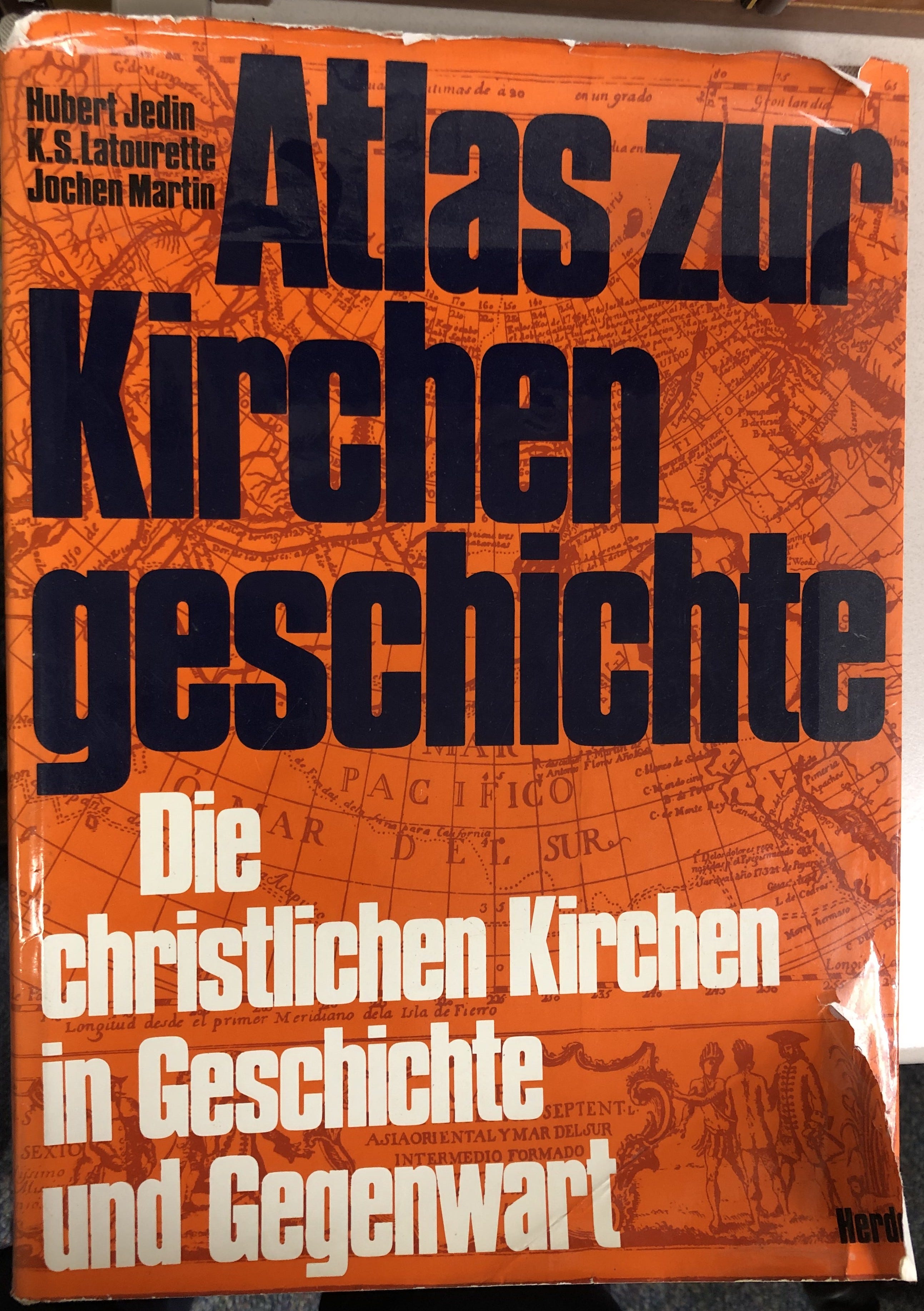
Hubert Jedin, K.S. Latourette, and Jochen Martin, Atlas zur Kirchengeschichte. Die christlichen Kirchen in Geschichte und Gegenwart. 257 mehrfarbige Karten und schematische Darstellungen. Freiburg im Breisgau: Verlag: Herder Vlg., 1970.
Working at a university suits me well. I meet the best kind of people – people like Max Stanton.
Collegial friendships are precious!
As you now, Max and I were very close during my tenure a BYU-Hawaii. Visiting his office, he had an impressive array of books and knowledge of so many subjects! Enjoyed this piece and concur Max deserves recognition for his many years associated with the university and his contributions on y he Hutterites! I’ll never forget our visit together to a Hutterite community in Japan. Really different!