
BYUH 2026 Spring Semester


BYUH Commencement, April 17, 2026; BYU-Hawaii Facebook page.
At BYU-Hawaii, we celebrate colorfully – leis of flowers, cash, candy, chips and shaka signs. I dress in my doctoral robes, adding Columbia blue to the rainbow. Congratulations to the graduating students.
Then, the university starts another “semester.” It’s the BYUH Spring Semester, 8½ weeks from late April to the end of June. Students take fewer credits, but class times are longer. Assignments come due at faster pace. Our Fall and Winter semesters are longer – 14 weeks. Each year, a theoretical student could take 12 credit hours in both the Fall and Winter, and then 6 credits in the shorter Spring Semester, earning 30 credits a year, reaching the minimum graduation requirement of 120 credits in four years. But students are tired. I teach a three-credit class in the Spring, but the rush of teaching, grading assignments and guiding research papers leaves me harried - a bit like my students.
I’ve taught long enough at BYUH that I remember the six-week terms in Spring and Summer that we used to offer. Crazily, we even offered an August session – all in the pursuit of efficiency. I agree that using the buildings and university facilities is valuable, but having spent my adult life on university campuses, I really like the slower, quieter setting of a college campus when the students are on vacation.
I am teaching History 202 “World History Since 1500.” I’ve changed the class from reading a shared textbook along with primary sources with exams and writing assignments to a course that students read from the world history periodical databases, orally present in class and write a world history paper as a final project. On the first day of class I showed the students the library databases of history journals that they could pick articles to read. The two journals I asked them to use are History Today and the Journal of World History.
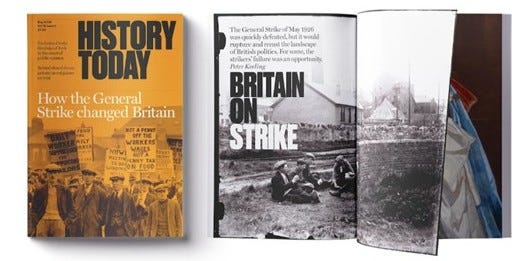
History Today, May 2026 issue – see https://www.historytoday.com/magazine.
History Today is a high-end magazine – glossy pages and color images. It has been a monthly publication from London, England since January of 1951. Each issue has five to six articles, making for over 4,500 articles about the past for the HIST 202 students to choose. The articles are four or five pages long. They are written by experts in their fields. It’s mostly modern history (the past 500 years). In their oral presentations, students explain why the article they read connects to world history. Each student only has a short amount of time to tell us about the article (bibliographic information is a requirement) and why the topic connects to globalization. So far, two weeks into the Semester, students have chosen articles about cod fish, pirates, arctic exploration, the American Civil War, gunpowder, nuclear energy, the Scientific Revolution, refugees, Singapore, disability history, jewelry and more.
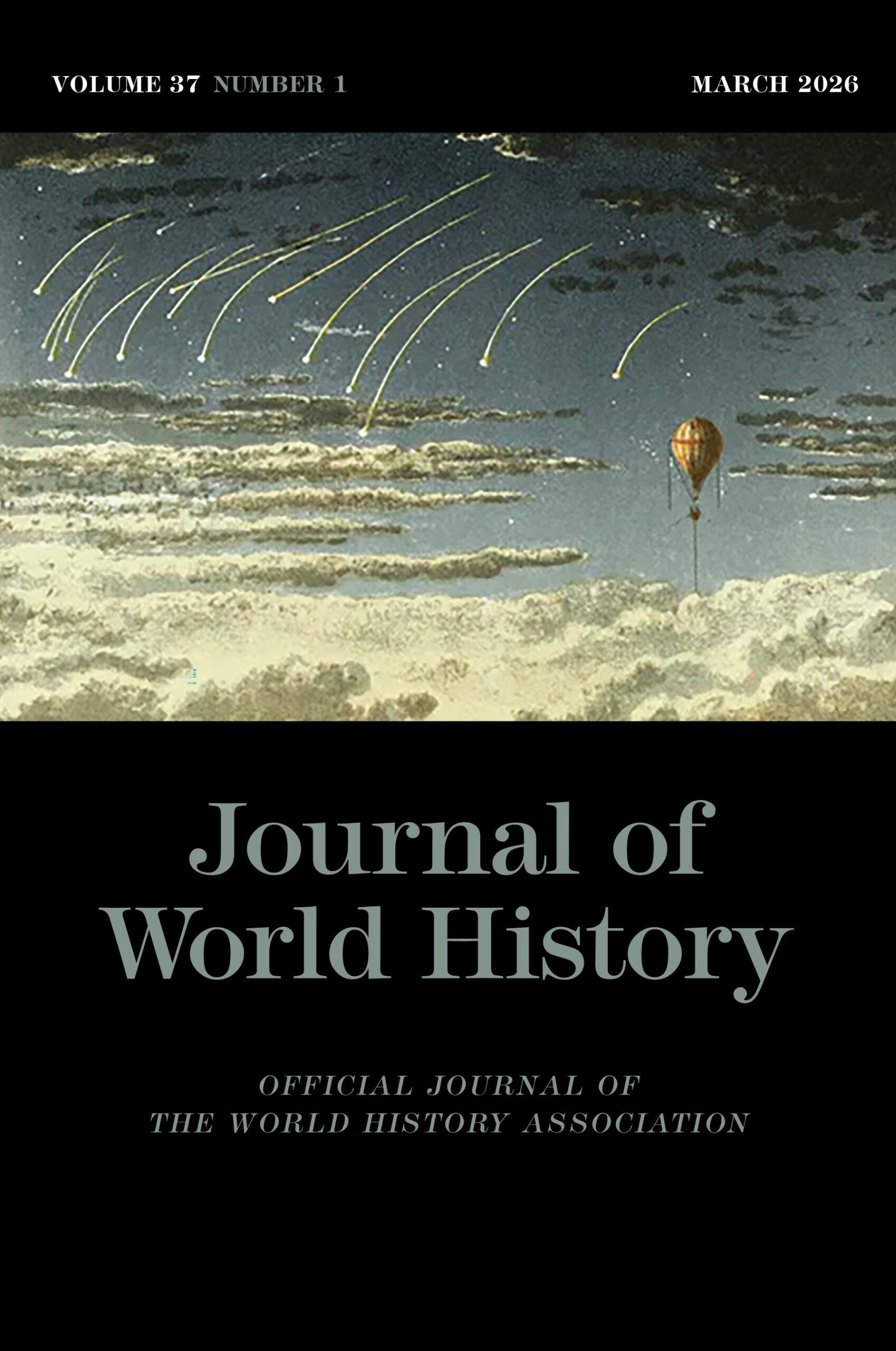
https://uhpress.hawaii.edu/title/jwh/
More scholarly, the Journal of World History is published by the University of Hawaii Press. It has been in publication since 1990. Its first editor was Jerry Bentley (1949 – 2012), professor of history at the University of Hawaiʻi at Mānoa. On the first day of class, I showed the students the library databases, J-Stor and Project Muse, that index the JWH. Students find articles to read. They are usually about 20 to 30 pages long, and more academic than History Today articles. Students present their chosen articles in a six- or seven-minute presentation. Only half the students can do this in every 75-minute class period. Every other week, each student presents an article they chose from the Journal of World History.
With both assignments, I evaluate student presentations by the connections from the specific article to world history themes. In the first issue of the Journal of World History, Bentley explained the themes.
comparative studies of historical developments that work their influences in more than one civilization or cultural region;
analyses of encounters between peoples of different civilizations or cultural regions;
studies in the historiography of world history;
reflections on conceptualization and periodization in world history;
articles dealing with methodology in world history.1
I keep these themes in mind myself when I’m writing “History with Jim.” How am I doing?
Bentley, Jerry H. “A New Forum for Global History” Journal of World History volume 1, issue 1 (Spring 1990) iv.