
Ayala Museum
Makati, Manila, the Philippines

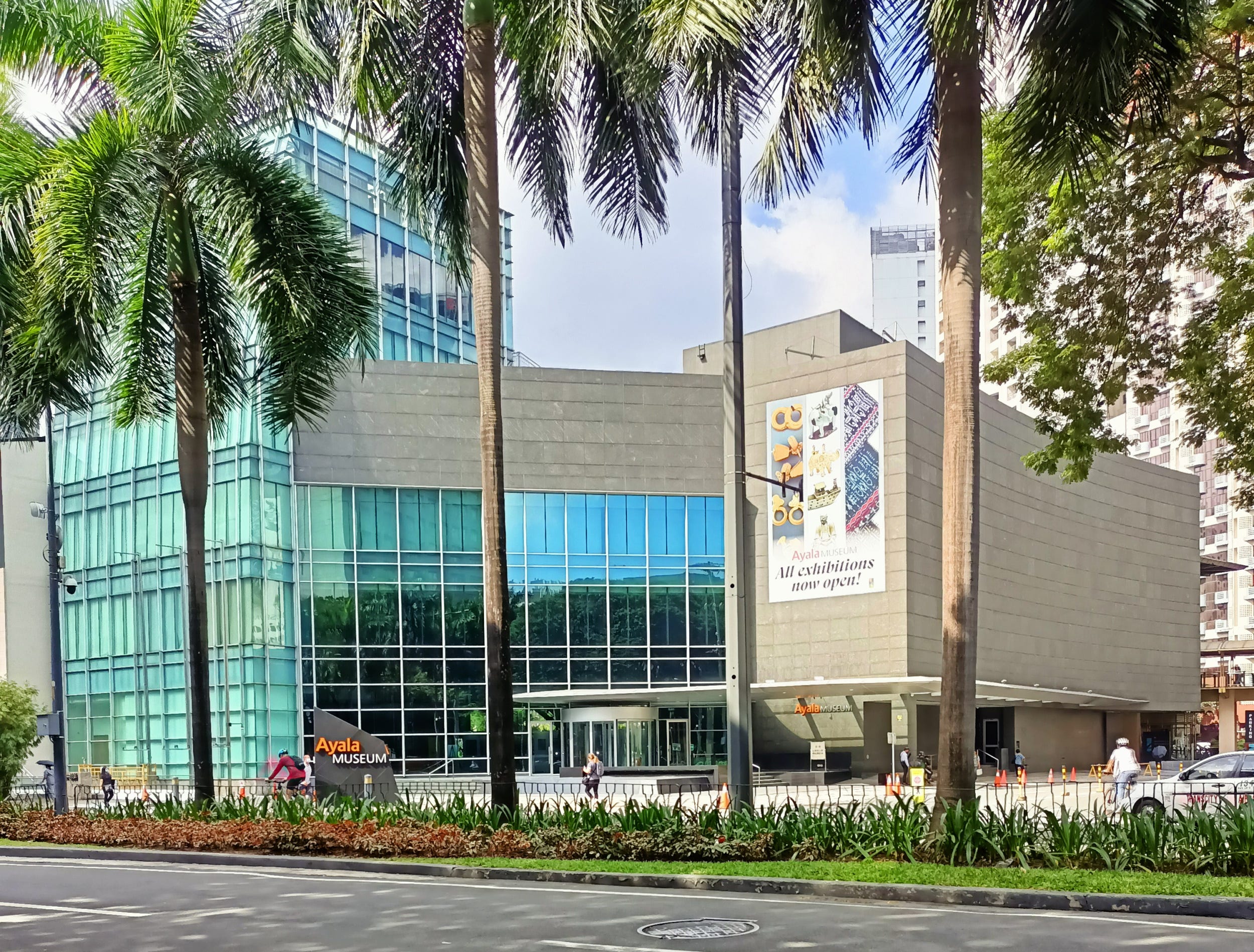
Ayala Museum, Makati Avenue, corner Dela Rosa Street, Ayala Center, Makati City, 1229 Metro Manila, Philippines, 6 December 2022, Wikimedia Commons.
It’s been forty-five years since I lived in the Philippines. I’ve been fortunate to return while doing research and accompanying BYUH students. Currently, the metropolitan area has a population of 24 million people. The 1980 Philippine Census had 6 million people living in Metro Manila. That’s population growth!
The changes over the decades are very easy to see. One of my favorite new buildings is the Ayala Museum in Makati in the Greenbelt by Ayala Malls. As I kid, I could bike from Magallanes Village, across Epifanio de los Santos Avenue (EDSA) and go the air-conditioned shopping mall. I didn’t wonder about the Ayala name. It was just the street that we traveled to get to school and church: down Ayala, right on Makati, cross Buendia and left into Bel-Air to the old International School of Manila campus. For Sunday meetings and weeknight activities, the chapel of the Church of Jesus Christ of Latter-day Saints was on Buendia Avenue. It’s still there, surrounded by the new skyscrapers.
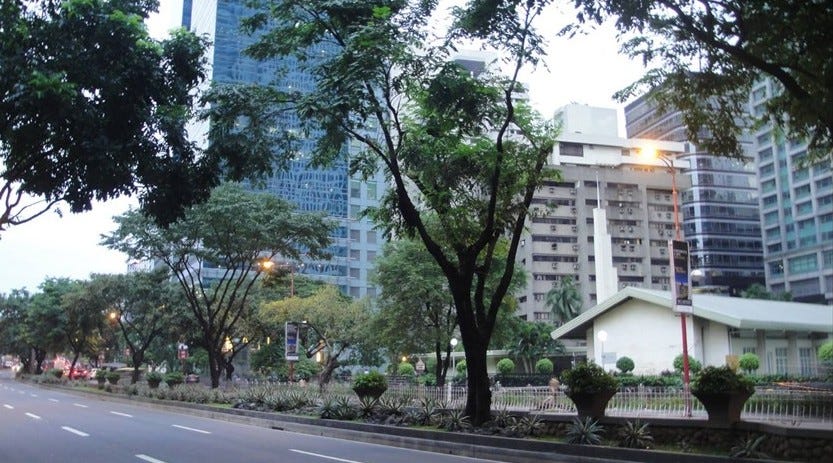
The Buendia Chapel, November 2018, Google Maps - the mailing address is actually 119 H.V. de la Costa, the back street of the building; my delightful wrinkle, Horacio Villamayor de la Costa 1916-1977 was a historian of the Philippines whose 1961 book from Harvard University Press, The Jesuits in the Philippines, I eagerly read in graduate school.
The Ayala Museum was around in the 1970s, but it was housed in Old Makati Stock Exchange Building, somewhere I wasn’t going to as a young teenager. But in the years since, I have visited the Museum and enjoyed its collections of art, history and architecture. I even asked myself why Ayala – Museum, Mall, Avenue? The answer helps unravel the history of Manila and the Philippines. The Ayala surname is from the Basque country in Spain. The first Ayala to immigrate to Manila was Antonio de Ayala Ortiz de Urbina (1803 – 1876) who was born in Álava, Spain. In Manila, Antonio married Maria Margarita Roxas in 1844. Margarita’s grandfather, Mariano Maximo Romero Roxas had come to Manila, also from the Basque Country in the 1770s. The Ayala Roxas family continued in capital accumulation, industrialization and elite marriage when a daughter, Trinidad de Ayala, married Jacobo Zóbel y Zangróniz, a German/Spanish industrialist in 1876. The Zobel de Ayala family owns the Ayala Corporation, the fifth largest conglomerate in the Philippines.
The Ayala Museum has many of the paintings of Juan Luna (1857 – 1899), a Filipino painter who won awards in Europe. He returned to Manila in 1894 and was soon arrested by the Spanish government for joining the rebellion. His historical paintings drew on classical themes, but he also moved into realism, highlighting symbols of Filipino adaptation, resistance and independence. John D. Blanco at the University of California of San Diego wrote a good book about how painters, like Juan Luna, and authors in 19th-Century Philippines were part of a Spanish Empire but also a new world of future nations. The indigenous people of the Philippines knew Spanish but also languages that the colonizer could not understand. (reviewed that book for World History Connected - see https://worldhistoryconnected.press.uillinois.edu/7.3/br_tueller.html
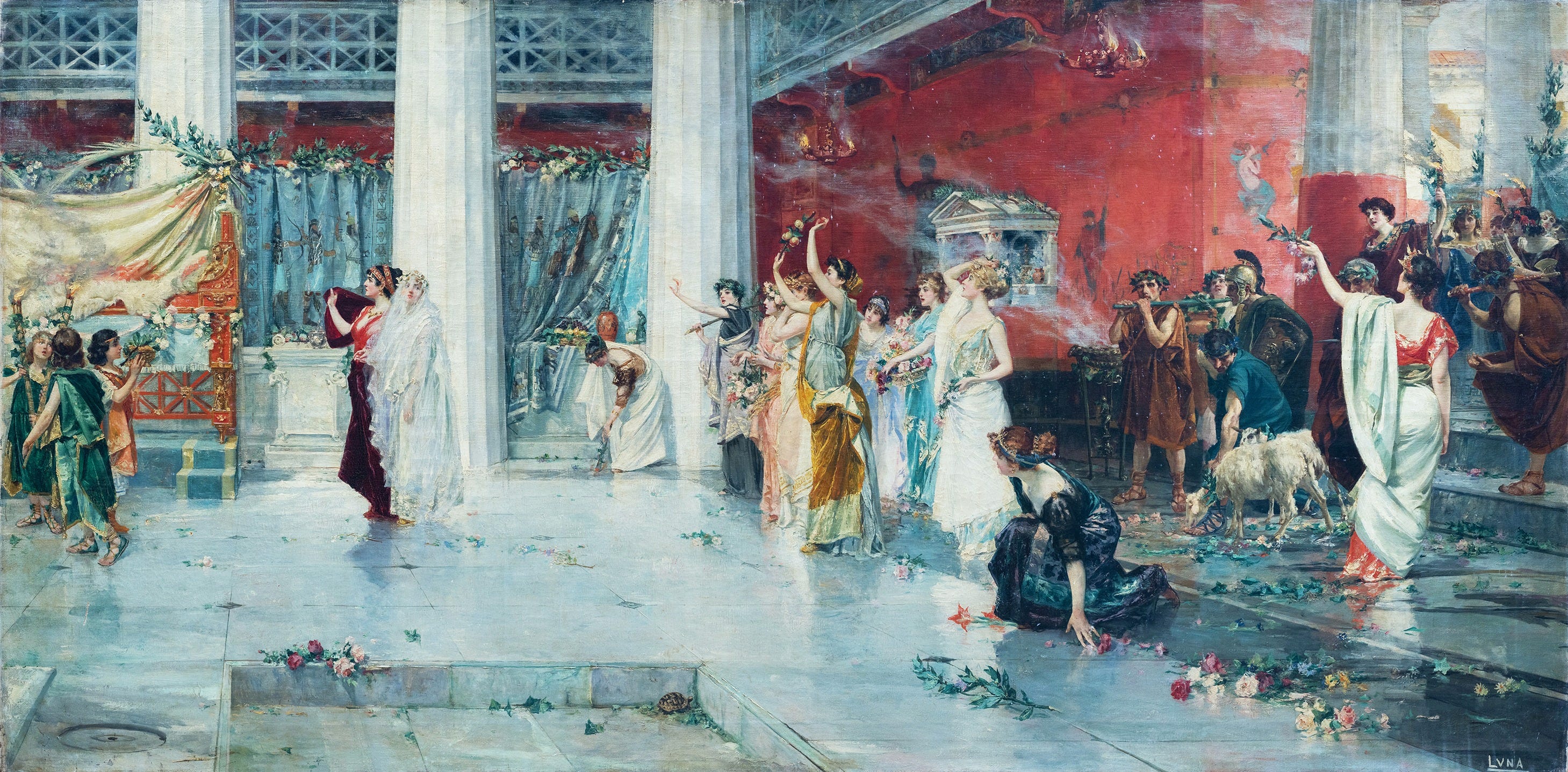
Juan Luna, Hymen, oh Hyménée! Also known as the Roman Wedding, 1886-1887, Ayala Museum, On loan from the private collection of Jaime Ponce de Leon, Wikimedia Commons.
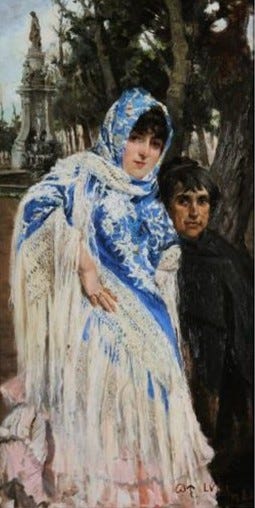
Juan Luna, Chula, 1884, Ayala Museum - a chulo/a was a fashionable young person of Madrid in the late 19th Century.
When next you are in Manila, go visit the Ayala Museum.
Aloha Jim,
My dad served in the Philippines during WWII and brought back pictures of a largely destroyed Manila. It was nice to see the pictures you shared of a modern and very vibrant city. Time certainly heals. thanks....Don